


What Is My Role as a Coachee?


Leadership coaching delivers the best results when both the coach and the coachee actively contribute. Your role is to arrive prepared, stay open to feedback, take ownership of your development, and follow through on agreed actions.
Whether you're receiving coaching from your manager or an executive coach, understanding your role makes every coaching conversation more valuable. Coaching isn't something that's done to you. It's something you actively participate in.
The more responsibility you take for your own learning, the more you'll grow as a leader.
What does a coachee actually do?
A coachee is responsible for driving their own development. Your coach guides the conversation, but you own the progress.
Unlike traditional management, coaching isn't about someone giving you instructions. Instead, it's about helping you discover the best solutions using your own experience, strengths and judgement.
A successful coachee:
- Takes ownership of their goals
- Reflects honestly
- Is open to challenge
- Applies learning between sessions
- Reviews progress regularly
The coaching relationship works because both people bring something valuable to the conversation.
How is coaching different from management?
Management tells you what needs to happen. Coaching helps you discover how you'll make it happen.
Both are important, but they serve different purposes.
| Management | Coaching |
|---|---|
| Focuses on organisational objectives | Focuses on your growth |
| Gives direction | Encourages self discovery |
| Measures performance | Develops capability |
| Solves immediate problems | Builds long term thinking |
| Manager provides answers | Coach asks powerful questions |
What happens during the coaching process?
Coaching is a structured conversation designed to help you think more clearly, make better decisions and improve your performance.
Most workplace coaching happens during regular one to one meetings with your line manager.
Some organisations also provide executive or internal coaches who sit outside the management structure. This gives you another confidential space to explore challenges, develop leadership skills and work towards agreed objectives.
Where an executive coach is involved, you'll usually agree:
- Your coaching goals
- Success measures
- Session frequency
- Confidentiality boundaries
- How progress will be reviewed
Having more than one coach isn't unusual. Elite performers in business, sport and the arts often work with multiple coaches because they understand that continuous improvement creates exceptional performance.
What should you expect from your coach?
A good coach helps you think better, not think for you.
Your coach should create an environment where you feel supported, challenged and accountable.
You should expect them to:
- Help you clarify your goals
- Ask thoughtful questions rather than simply giving advice
- Challenge assumptions respectfully
- Provide constructive feedback
- Celebrate progress
- Hold you accountable for agreed actions
Great coaching builds confidence without removing responsibility.
What will your coach expect from you?
The success of coaching depends just as much on the coachee as the coach.
To get the most from coaching, your coach will expect you to arrive ready to engage.
This includes:
- Being honest about challenges
- Taking responsibility for your development
- Following through on agreed actions
- Being open to feedback
- Reflecting between sessions
- Bringing real situations to discuss
- Committing to continuous improvement
The more effort you invest between coaching sessions, the greater the return you'll see.
How can you get more value from every coaching session?
Preparation before the conversation often determines the quality of the conversation.
Before each session, ask yourself:
- What progress have I made?
- What challenge am I facing right now?
- What decision do I need help thinking through?
- What have I learned since our last conversation?
- What action will I commit to next?
Small habits like these make coaching significantly more effective.
Why is coaching a partnership?
Coaching works best when both people share responsibility for success.
A coach brings expertise, challenge and structure.
A coachee brings commitment, curiosity and action.
Together, they create a partnership focused on continuous learning, stronger leadership and better business performance.
Where can you learn more about becoming an effective coachee?
If you're preparing for coaching or want to get more from your coaching conversations, these resources will help:
FAQs About the Role of a Coachee
1. What is the role of a coachee?
A coachee takes responsibility for their own learning, development and actions while working collaboratively with a coach to achieve agreed goals.
2. What should I expect from a coaching session?
Expect a structured conversation focused on your goals. Your coach will ask questions, encourage reflection, challenge your thinking and help you identify practical next steps.
3. What does my coach expect from me?
Your coach expects honesty, commitment, openness to feedback and consistent action between coaching sessions.
4. Can my line manager also be my coach?
Yes. Many organisations encourage managers to use coaching skills during regular one to one meetings. Some employees also work with a separate executive or internal coach.
5. How can I prepare for coaching?
Reflect on your recent progress, identify current challenges, think about the decisions you're facing and arrive with topics you'd like to explore.
6. What makes coaching successful?
Successful coaching is built on trust, accountability, openness and a genuine commitment from both the coach and the coachee to continuous improvement.
- Coaching works best when both coach and coachee actively contribute.
- Your role is to own your goals, actions and development.
- Coaching helps you find your own solutions rather than simply receiving advice.
- Great coaches ask questions, provide feedback and encourage accountability.
- Preparing before every coaching conversation leads to better outcomes.
- The strongest coaching partnerships are built on honesty, trust and commitment.
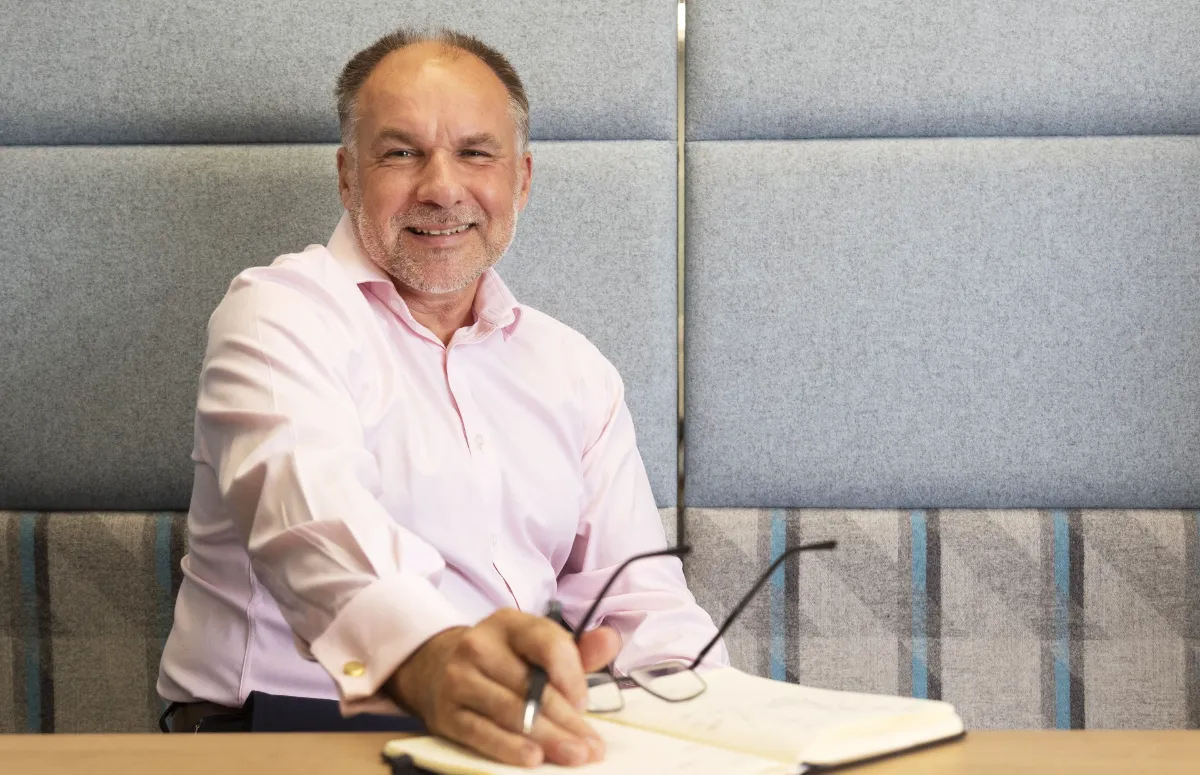
Trayton Vance
Trayton Vance is the Founder and Managing Director of Coaching Focus Group, one of the UK’s leading leadership coaching consultancies working with clients such as McDonalds, Beats by Dre, Paramount and many more.
Coaching Focus Group
Specialists in leadership coaching, workplace coaching programmes, and building coaching cultures that stick.


You might be interested in...
.jpg)

Employee Engagement Series


