


AI and Coaching: Balancing Technology with the Human Touch

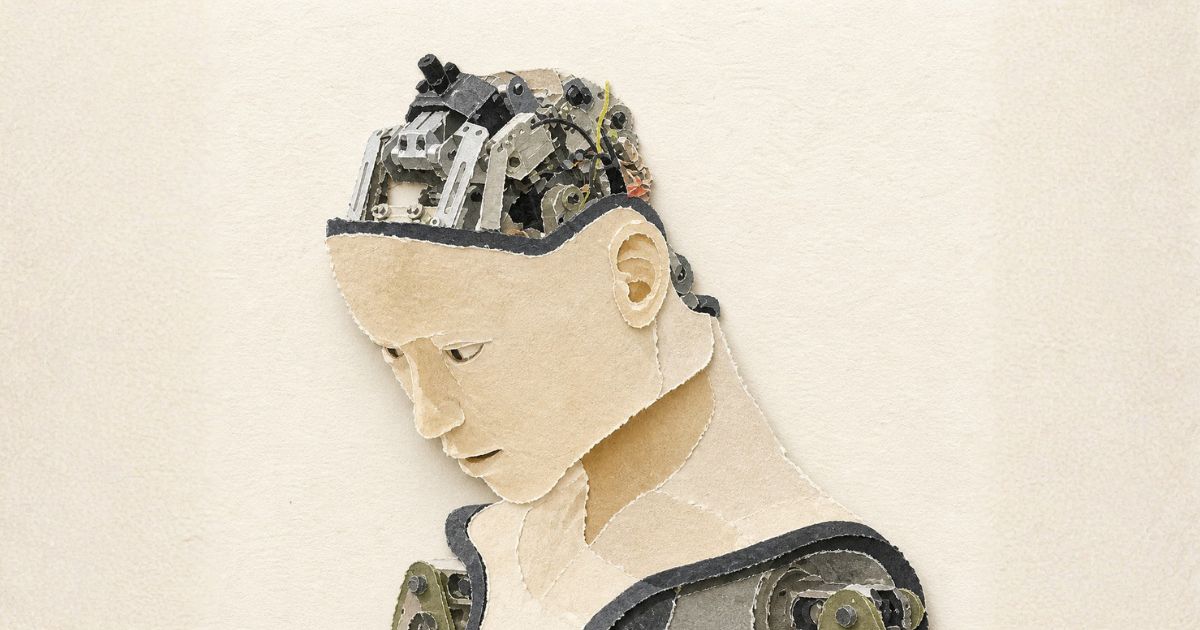
AI is transforming coaching by providing data-driven insights and democratizing access to coaching resources, but the human element, including empathy and ethical considerations, remains essential. The future of coaching may involve a symbiotic relationship between AI and human coaches, enhancing the quality and accessibility of coaching by combining technology and humanity. In the rapidly evolving coaching landscape, from sports and fitness to executive and personal development, Artificial Intelligence (AI) is emerging as a powerful tool.
It promises to transform how coaching is delivered, personalised, and scaled. Yet, despite its potential, the human element remains irreplaceably central to coaching's essence. See our Webinar "My Boss is a Bot"
This article delves into how AI will impact coaching while arguing that the human element will continue to dominate due to the unique attributes that only human coaches can provide.
AI in Coaching: A Game Changer
AI’s impact on coaching is multifaceted. It unlocks data-driven insights that were once unimaginable. Already, over 50% of the coaches we work with report using AI in their coaching practice, spanning global coaching and leadership communities. The shift is happening now.
In sport, AI algorithms analyse vast streams of data from sensors and video to reveal deep performance insights. Coaches can then craft training programmes with remarkable precision. In executive coaching, AI decodes language and behaviour to uncover patterns in communication and leadership style.
Access is expanding too. AI-powered platforms deliver coaching support anytime, opening doors for those who may not have considered coaching before. Personalised learning paths adapt in real time. Progress feels sharper. Growth feels continuous.
AI also spots what others might miss. Its predictive power can flag burnout risks or performance dips before they surface. That means earlier conversations. Smarter interventions. Better outcomes.
over 50% of the coaches we work with report using AI in their coaching practice

The Indomitable Human Element
Despite AI's transformative potential, the human element in coaching remains paramount for several reasons.
Firstly, empathy and emotional intelligence, core components of effective coaching, are inherently human traits. AI may mimic empathy to an extent, but it cannot genuinely feel or understand human emotions. The rapport, trust, and understanding that develop between a coach and their client are deeply human aspects that AI cannot replicate.
Secondly, coaching often involves navigating complex, ambiguous human situations that require intuition, creativity, and adaptability - traits that AI currently lacks. Human coaches can understand context, read between the lines, and provide holistic guidance that an AI, with its reliance on data and algorithms, cannot offer.
Moreover, the ethical considerations and accountability in coaching decisions rest with human coaches. AI, while unbiased in theory, can perpetuate biases present in its training data. Human coaches are crucial in ensuring that coaching practices are ethical, fair, and responsible.
The Symbiotic Relationship
The future of coaching doesn't have to be a binary choice between AI and human coaches. Instead, a symbiotic relationship can emerge where each complements the other's strengths. AI can handle data analysis, provide round-the-clock resources, and manage routine tasks, freeing human coaches to focus on more complex, nuanced aspects of coaching. This hybrid approach can enhance the quality and accessibility of coaching, benefiting coaches and clients alike.
For example, in a corporate setting, AI can track employee performance metrics and highlight areas for improvement. At the same time, the human coach can provide personalised guidance, motivation, and emotional support based on this data. In sports, while AI provides detailed performance analytics, the human coach can interpret this data in the broader context of the athlete's mental state, personal circumstances, and team dynamics.
5 Best AI Tools for Your Coaching Practice
AI works best when it supports your thinking, not replaces it. The tools below can help you save time, spot patterns, and stay present with your clients where it matters most.
1. ChatGPT (Session Support & Reflection)
Useful for sense-checking ideas, summarising sessions, or generating reflective questions between coaching conversations.
- Turn messy notes into clear insights
- Generate thoughtful follow-up questions
- Explore different perspectives quickly
Best used as a thinking partner, not a decision-maker.
2. Otter.ai (Session Transcription & Capture)
Captures coaching conversations so you don’t have to rely on memory alone.
- Real-time transcription
- Searchable session records
- Frees you up to stay fully present
Particularly useful for longer or more complex sessions.
3. Motion (AI Scheduling & Time Management)
Helps you protect your time and reduce mental load around planning.
- Automatically schedules sessions and tasks
- Adjusts your calendar in real time
- Reduces admin friction
Less time organising, more time coaching.
4. Notion AI (Knowledge & Client Tracking)
A flexible workspace to organise client notes, frameworks, and insights.
- Structure coaching notes and reflections
- Build reusable templates
- Surface patterns across clients
Great for building your own coaching system over time.
5. Crystal (Communication & Personality Insights)
Provides insights into communication styles based on public data.
- Tailor how you communicate with clients
- Improve rapport early on
- Understand different working styles
Use with awareness — insight, not assumption.
Why Human Coaches Still Lead the Way
AI is poised to revolutionise coaching, expanding reach and sharpening insight in ways we’ve never seen before. Yet the essence of coaching remains deeply human. In our analysis of coaching practice in 2025, we found that over 70% of coaching impact was attributed to relational factors such as trust, empathy, and connection rather than tools or technology. That tells a clear story. People drive transformation.
AI can inform decisions. It can surface patterns. But it cannot truly feel, relate, or intuit. Human coaches bring emotional intelligence, ethical judgement, and the ability to navigate complexity in real time.
This is where the real power lies. Not in replacement, but in partnership. When you blend AI’s precision with human insight, you create coaching that is both smart and deeply meaningful.
The future is not AI or human. It is both, working side by side to elevate every coaching conversation.
FAQs About AI in Coaching
1. How is AI changing coaching today?
AI is unlocking data-driven insights, personalised learning paths, and round-the-clock access to coaching tools. It helps you spot patterns faster and tailor support more precisely.
2. Can AI replace human coaches?
No. AI can support the process, but it cannot replicate empathy, trust, or real human connection. These are the foundations of meaningful coaching.
3. What makes human coaches still essential?
Human coaches bring emotional intelligence, context, and ethical judgement. They read between the lines and adapt in ways AI simply cannot.
4. What does the future of coaching look like?
A blended approach. AI handles data and efficiency. Humans lead with insight, care, and connection. Together, they create stronger, more impactful coaching experiences.
Summary: The Future of Coaching Is Human, Powered by AI
AI is reshaping coaching with powerful insights, smarter personalisation, and wider access. It can analyse data, spot patterns, and support learning at scale. But it cannot replace human empathy, intuition, or ethical judgement. The real opportunity? Harness AI to elevate your coaching, while keeping people at the heart of every conversation.

Trayton Vance
Trayton Vance is the Founder and Managing Director of Coaching Focus Group, one of the UK’s leading leadership coaching consultancies working with clients such as McDonalds, Beats by Dre, Paramount and many more.
Coaching Focus Group
Specialists in leadership coaching, workplace coaching programmes, and building coaching cultures that stick.


You might be interested in...

Employee Engagement Series


.jpg)

.webp)


