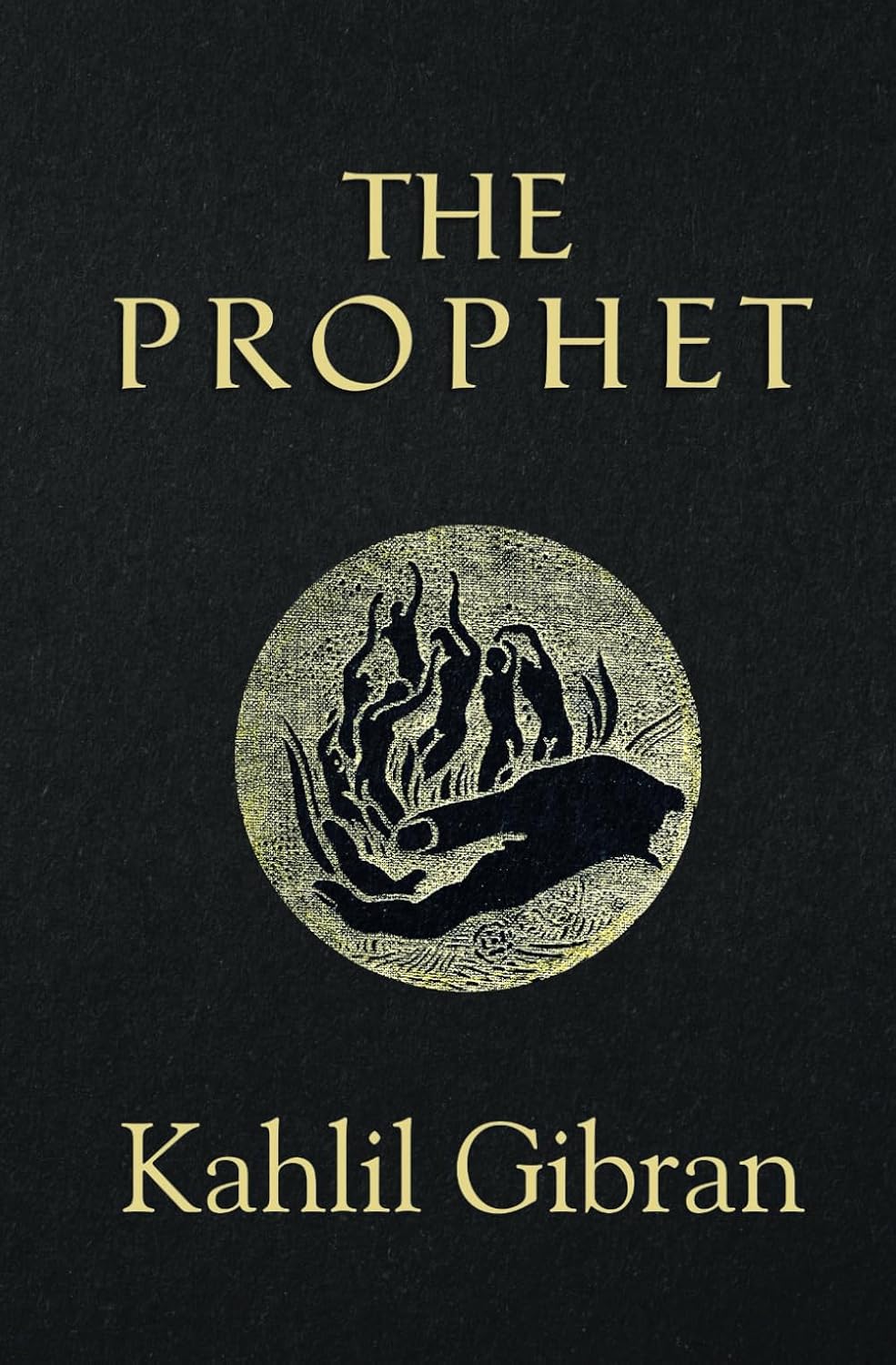
The Prophet - Khalil Gibran

Introduction
Khalil Gibran's "The Prophet" is a treasure in modern literature. This collection of poetic essays has transcended cultural and national boundaries with its universal themes of love, freedom, and spirituality. First published in 1923, this masterpiece has become one of the bestselling books of all time, beloved by readers for its profound insight and poetic grace.
The Structure and Content
"The Prophet" is structured around the story of Almustafa, the chosen and beloved prophet, who has lived in Orphalese for twelve years. As he prepares to board a ship that will carry him back to the isle of his birth, he is stopped by a group of people who ask him to share his wisdom on various aspects of life. The book consists of 26 poetic essays covering profound topics such as love, marriage, children, work, freedom, and religion—each representing human existence's core trials and tribulations.
Literary Style and Themes
Gibran's style is lyrical and rich in metaphor, drawing heavily on his experiences, religious background, and philosophical insights. The book is notable not just for its content but for its poetic form, which has a musical quality that echoes the spiritual and philosophical undertones of the text. Each essay begins with a question posed by a citizen of Orphalese, to which Almustafa responds in a manner that is both instructive and reflective, offering timeless and universal wisdom.
Influence and Legacy
Since its publication, "The Prophet" has been translated into over 50 languages and has inspired many artistic and cultural works. It has been adapted into films, ballets, and musical compositions and continues to be cited in various literary and philosophical discussions. The appeal of Gibran's work lies in its ability to resonate with the personal circumstances of each reader, offering a source of solace and inspiration that many find comforting.
Philosophical and Spiritual Insights
At its heart, "The Prophet" guides living a life imbued with beauty, grace, and humanity. Gibran's philosophical approach is not dogmatic but instead encourages a profoundly personal reflection, asking readers to consider their own experiences in the light of the wisdom presented. His views on love and marriage emphasise the sanctity and freedom of the individual, while his thoughts on work and giving speak to the joy that arises from fulfilling one's passions and contributing to the community.
Criticism and Reception
Critics have praised Gibran for his vision's depth and language's beauty, though some have argued that the book can be overly idealistic. Nonetheless, "The Prophet" remains a fixture in literary discussions for its profound moral and spiritual insights and beautiful prose.
Conclusion
Khalil Gibran's "The Prophet" continues to be a beacon of wisdom in a complex world. Its messages about compassion, love, and personal freedom transcend the specifics of religion or culture, reaching into the universal needs of human beings. Whether one reads it for spiritual enlightenment, philosophical insight, or simply the poetic beauty of its prose, "The Prophet" endures as a profound commentary on the human condition, as relevant today as it was nearly a century ago.